 +86 15338350382

 日本語
日本語 英語
英語 スペイン語
スペイン語 フランス語
フランス語 ロシア
ロシア イタリア語
イタリア語 ドイツ語
ドイツ語

 8 分間で読める発表 May 27 2026
When people talk about CNC machining, they often focus on the machines—the precision, the speed, the capability to cut metal down to microns. But in reality, CNC machining is not just about equipment. It’s about execution. It’s about how ideas move from a screen into the physical world, and how smoothly that transition happens. And that’s where the difference lies—not in having access to CNC technology, but in having the right partner behind it.
Because when you’re building something new—whether it’s a performance motorcycle component, a consumer product, or a complex industrial assembly—you’re not just ordering parts. You’re making decisions that affect performance, cost, timelines, and ultimately, success in the market. And those decisions are only as strong as the support system behind them.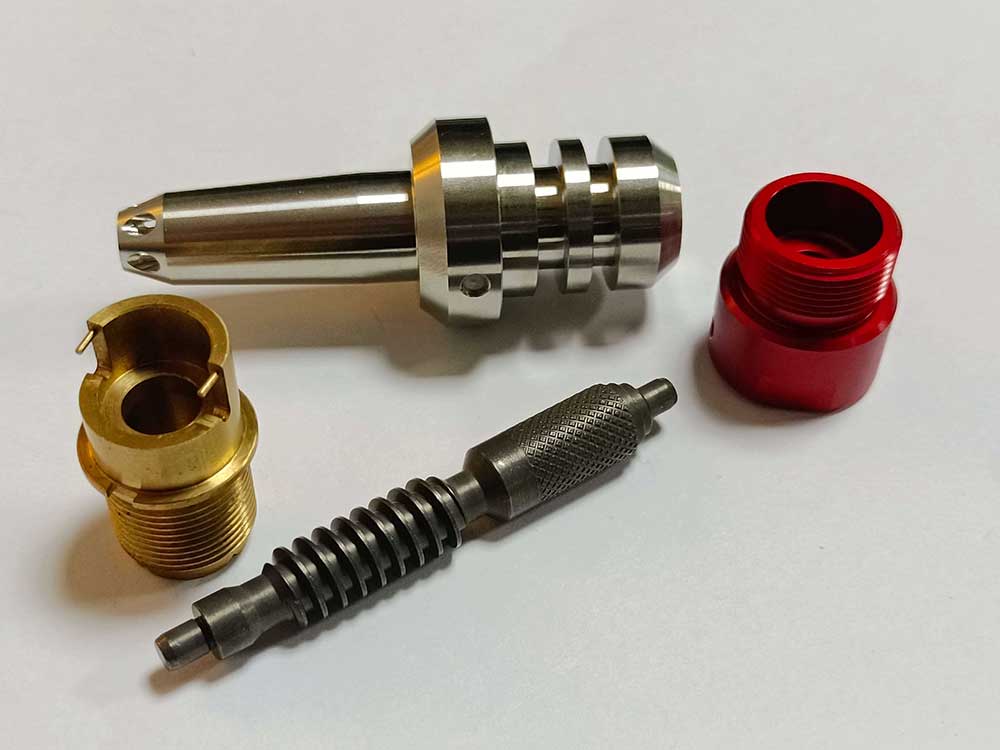
What most people discover, often the hard way, is that manufacturing is not a neutral step in the process. It can either accelerate your project or quietly undermine it. A supplier who simply “makes what you send” might seem efficient at first, but without deeper engagement, small design inefficiencies become expensive problems. Tolerances stack up. Lead times stretch. Costs creep higher. And suddenly, what looked like a straightforward production run turns into a series of compromises.
That’s why the conversation needs to shift—from sourcing parts to building partnerships.
A strong CNC manufacturing partner doesn’t just execute instructions. They interpret intent. They look at your design and understand not only what it is, but what it’s supposed to do. They see where precision is critical and where flexibility is possible. They recognize features that might be difficult to machine efficiently and suggest alternatives before those challenges turn into delays or cost overruns. This kind of collaboration changes everything.
Instead of reacting to problems, you prevent them. Instead of guessing at manufacturability, you design with confidence. Instead of treating production as a bottleneck, it becomes a natural extension of your development process. And that’s where precision begins to take on a different meaning.
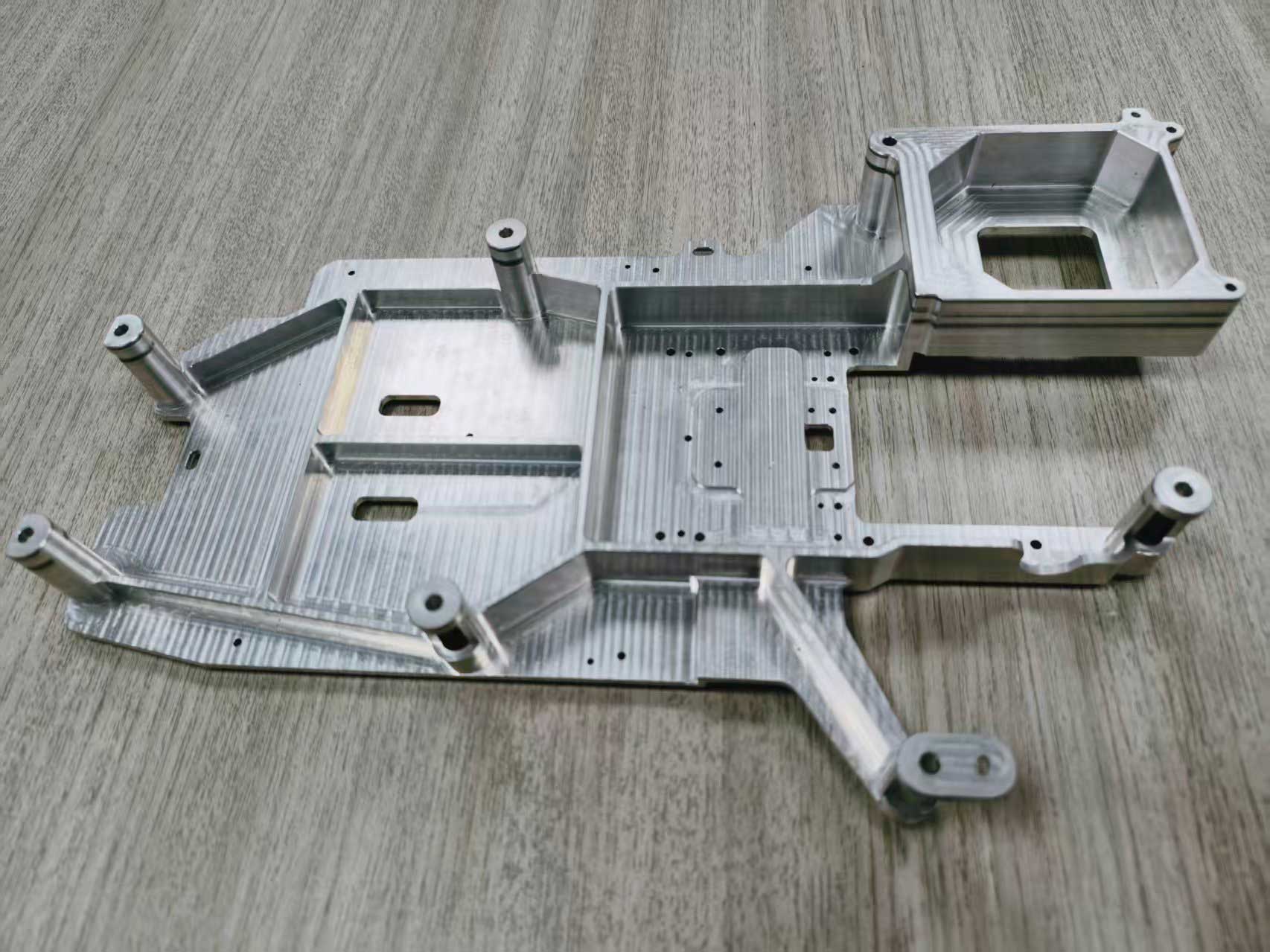
Precision is often reduced to numbers—tolerances, surface finishes, repeatability. Those are important, of course. But true precision is also about consistency in execution. It’s about knowing that the tenth part will match the first, and the thousandth will match them both. It’s about ensuring that when your design calls for a specific fit, function, or aesthetic, the result aligns exactly with your expectations.
That level of consistency doesn’t happen by accident. It comes from a combination of advanced equipment, experienced machinists, and a deeply ingrained quality culture. It comes from processes that are refined, monitored, and continuously improved. And most importantly, it comes from a mindset that treats every part as critical—because in your project, it is.
But precision alone isn’t enough.
If precision is the foundation, flexibility is what allows innovation to thrive. No design is perfect on the first iteration. In fact, the faster you can iterate, the better your final product will be. That’s the reality of modern product development. You test, you learn, you adjust. And every adjustment requires a manufacturing partner who can keep up.
Flexibility shows up in many ways. It’s the ability to turn around prototypes quickly so you can validate ideas without losing momentum. It’s the willingness to accommodate design changes without excessive delays or penalties. It’s the capability to shift from a single prototype to a small batch, and then to larger production volumes—all without forcing you to switch suppliers or rework your entire process.
When flexibility is built into your manufacturing pipeline, you stop thinking in terms of limitations. You start exploring possibilities. You can try bold ideas because you know you can test them quickly. You can refine details because you know changes won’t derail your schedule. You can respond to market feedback because your production strategy isn’t locked in place.
And that leads directly to the third pillar: reliability. Reliability is often talked about, but rarely fully appreciated until it’s missing. It’s easy to underestimate how much your timeline depends on consistent delivery—until a delay forces you to push back a product launch, miss a critical testing window, or hold up an entire assembly line waiting for a single component.
A reliable CNC partner doesn’t just promise delivery dates. They build systems that make those dates achievable. They plan capacity carefully. They communicate clearly when priorities shift. They identify potential risks early and address them before they become real problems. And just as importantly, they maintain quality across every delivery.
Because reliability isn’t just about when parts arrive—it’s about how they arrive. Parts that require rework, adjustment, or replacement introduce their own form of delay. True reliability means you can take a part out of the box and use it with confidence.
When precision, flexibility, and reliability come together, something powerful happens: friction disappears. And friction is one of the biggest hidden costs in product development.
It shows up as back-and-forth emails trying to clarify specifications. It appears in unexpected redesigns caused by manufacturability issues. It emerges in delays that ripple through your entire timeline. Individually, these issues might seem small. But collectively, they slow everything down.
A well-integrated manufacturing partner removes that friction. Communication becomes straightforward. Expectations are aligned from the start. Designs are reviewed with a critical eye before production begins. And once production is underway, progress is transparent and predictable.
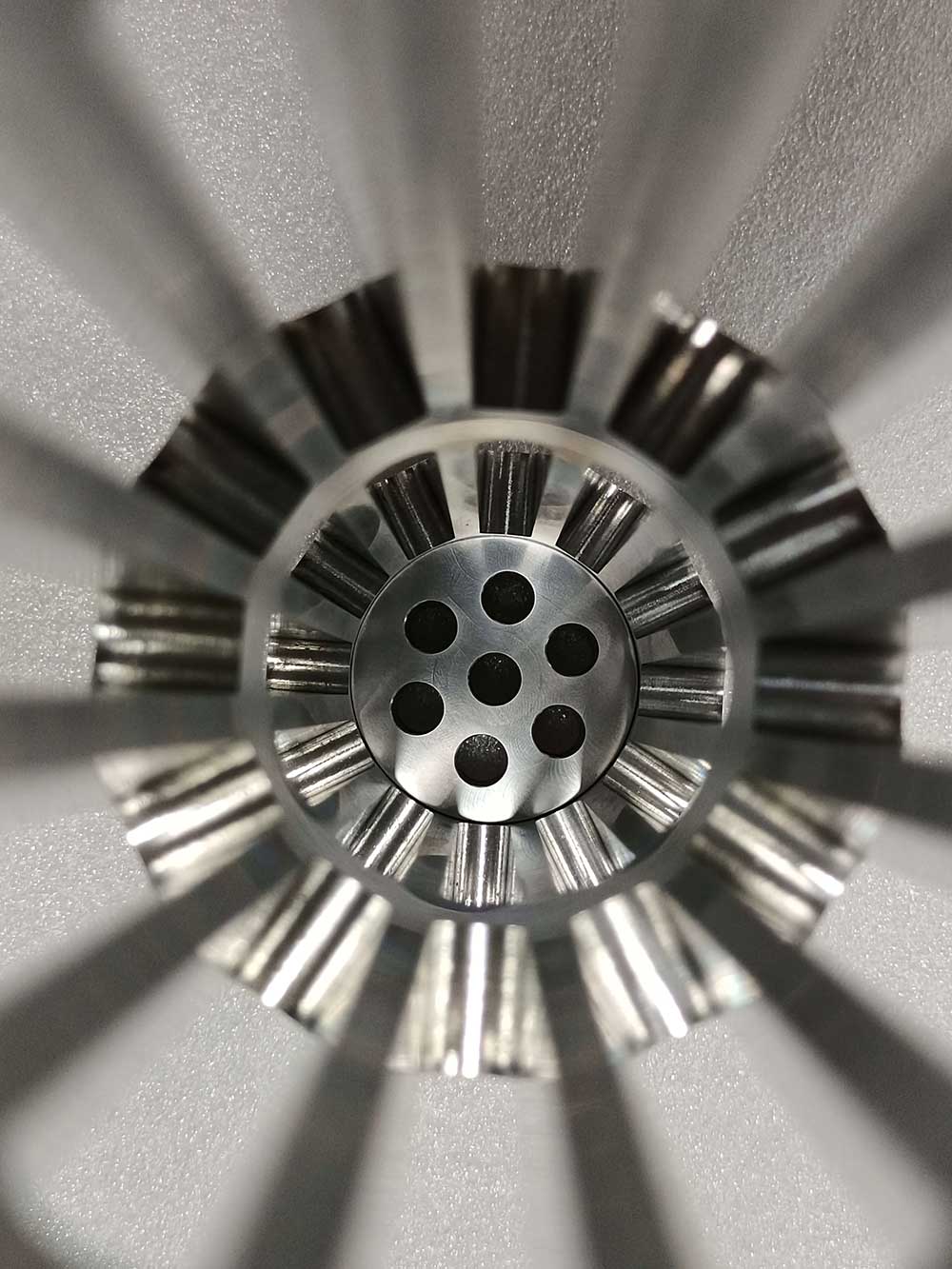
This kind of environment allows you to focus on what actually matters—developing your product. Because at the end of the day, most engineers, designers, and innovators don’t want to spend their time managing manufacturing problems. They want to create. They want to improve. They want to push boundaries. And they should be able to.
That’s the real value of a strong CNC partner: it gives you back your time and mental bandwidth. Instead of worrying about whether parts will meet specifications, you can focus on performance. Instead of tracking down delays, you can work on the next iteration. Instead of negotiating costs after the fact, you can plan confidently from the beginning.
Cost, of course, is always part of the conversation.
There’s a common misconception that high-quality CNC machining must come at a high price. And while it’s true that precision manufacturing requires investment, cost is not just about the price per part. It’s about the total cost of getting from concept to finished product.
Poor design for manufacturability increases machining time and material waste. Inconsistent quality leads to rework and scrap. Unreliable delivery creates downtime and missed opportunities.
All of these factors add up. A capable manufacturing partner looks beyond the immediate quote and focuses on overall efficiency. They help you simplify designs where possible, select appropriate materials, and optimize processes to reduce unnecessary costs. They align pricing with your priorities—whether that’s faster lead times, lower unit costs, or a balance of both.
This approach ensures that you’re not just getting a competitive quote, but real value. And value becomes even more important as you move from prototyping into production. The transition from a single part to a batch run is not just a matter of scale. It introduces new challenges—process stability, tool wear, cycle time optimization, quality consistency. What worked for a prototype may not be efficient for production.
This is where experience makes a difference. A seasoned CNC partner understands how to bridge that gap. They take what was learned during prototyping and apply it to production planning. They refine machining strategies, improve fixturing, and ensure that every part can be produced efficiently without compromising quality.
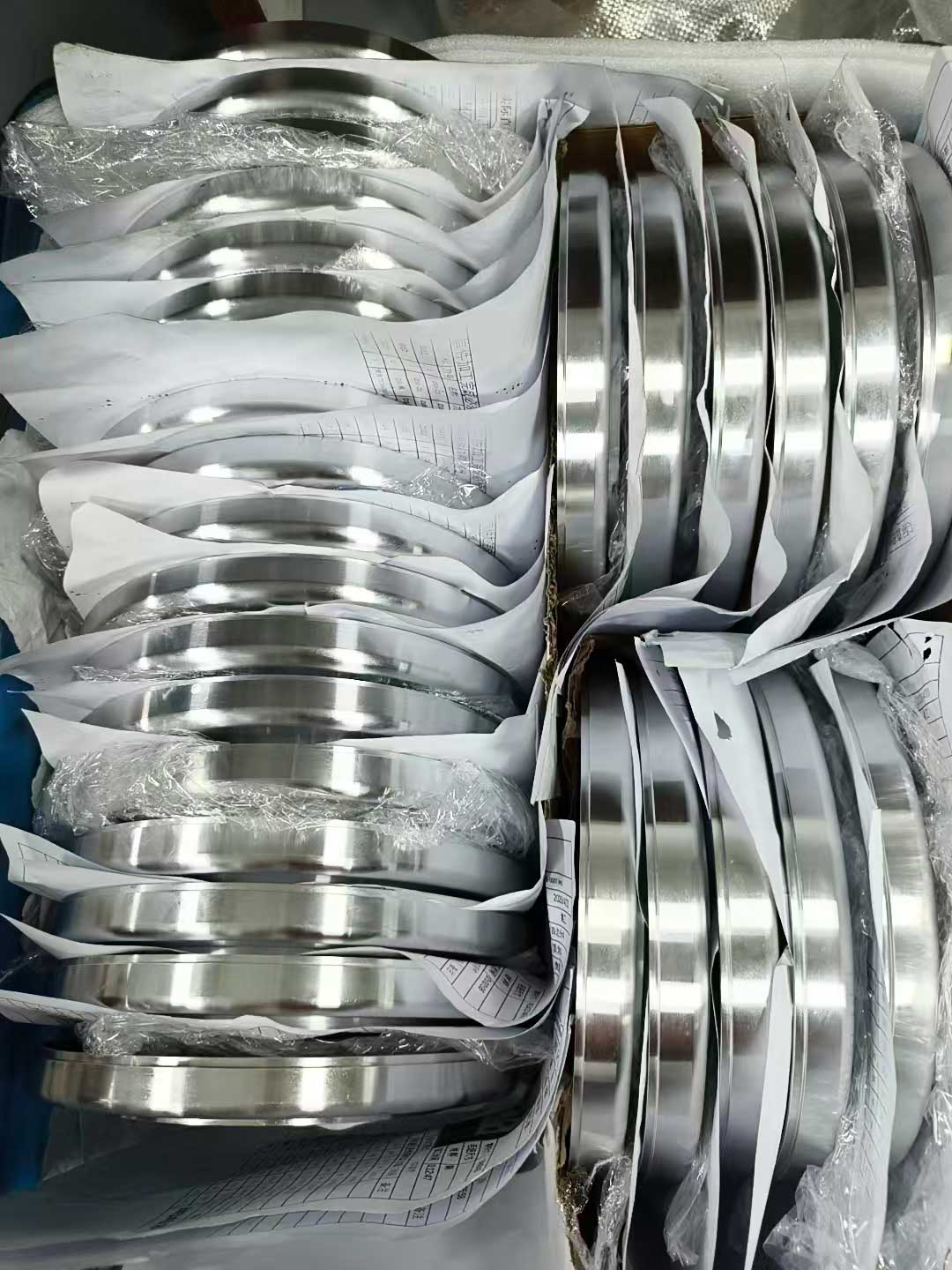
The goal is not just to make more parts—it’s to make them better, faster, and more consistently.
And throughout this entire process, communication remains critical. One of the most overlooked aspects of manufacturing is how information flows between teams. Miscommunication can lead to incorrect assumptions, which in turn lead to errors, delays, and additional costs.
Clear, proactive communication eliminates this risk. It ensures that design intent is fully understood before machining begins. It keeps you informed of progress without requiring constant follow-up. It provides visibility into potential challenges and the steps being taken to address them.
When communication works well, everything else becomes easier. You trust the process. You trust the timeline. You trust the outcome. And trust is what turns a supplier into a partner. Over time, that partnership becomes a strategic advantage.
As your manufacturing partner becomes more familiar with your products, your standards, and your expectations, efficiency improves. Setup times decrease. Decisions are made faster. Solutions are more tailored to your specific needs.
You’re no longer starting from scratch with each project. You’re building on a foundation. This continuity allows you to move faster and with greater confidence. It also opens the door to deeper collaboration.
Instead of simply sending files for production, you can involve your manufacturing partner earlier in the design process. You can explore new ideas together, evaluate different approaches, and identify opportunities for improvement before they become constraints.
This kind of collaboration often leads to better outcomes—not just in terms of manufacturability, but in overall product performance. Because manufacturing is not separate from design. It’s an integral part of it. And when those two elements are aligned, the results speak for themselves.
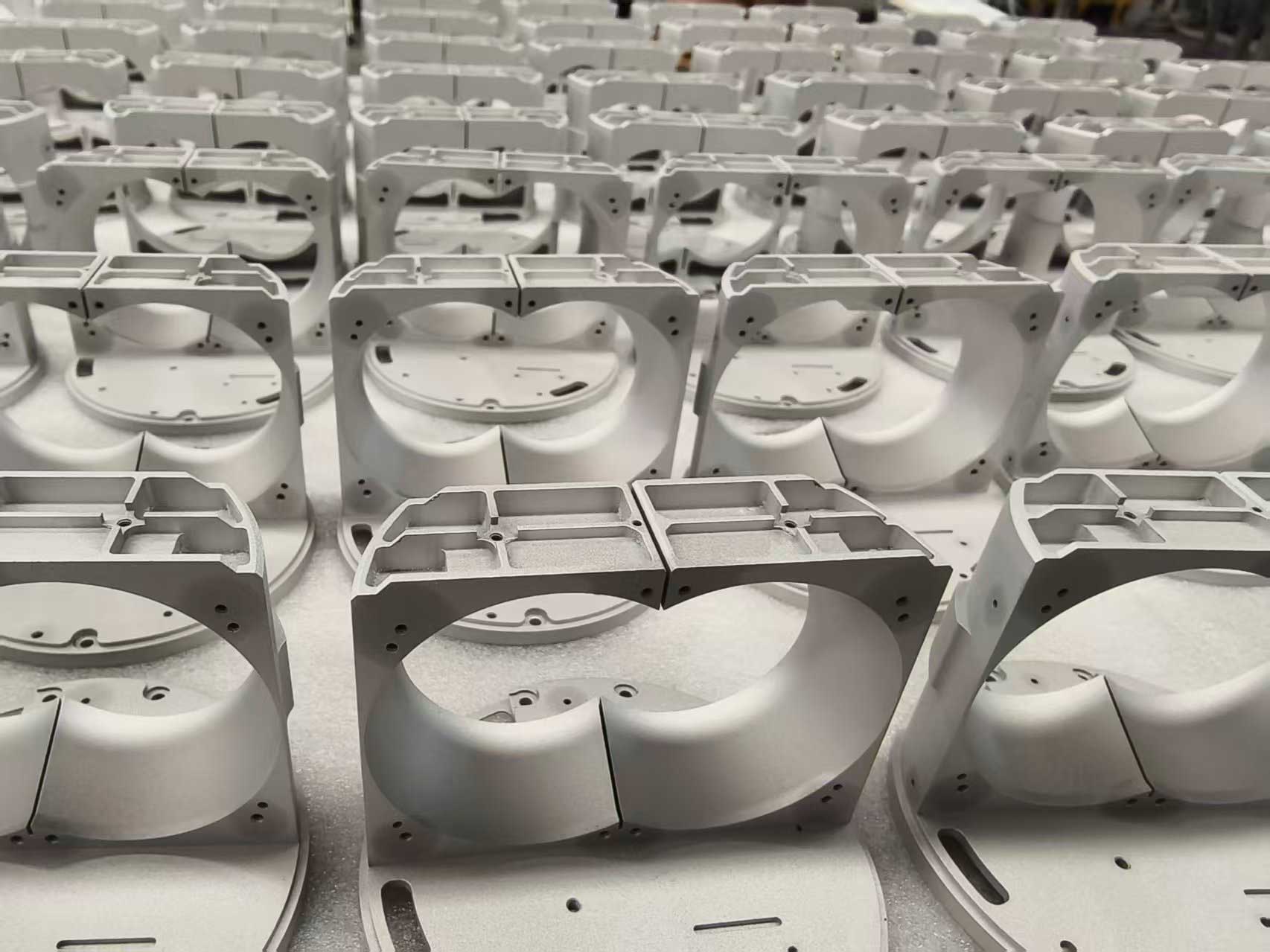
Products are more refined. Development cycles are shorter. Costs are more predictable. And the path from concept to market becomes significantly smoother. In a world where innovation cycles are accelerating and competition is increasing, these advantages matter more than ever. Companies that can iterate quickly, adapt to change, and deliver high-quality products consistently are the ones that succeed. And behind many of those companies is a manufacturing partner who makes it possible.
Not by taking the spotlight, but by doing the work—precisely, flexibly, and reliably.
So, when you think about CNC machining, it’s worth looking beyond the machines. Look at the people behind them. Look at the processes that support them. Look at the mindset that drives them. Because that’s where the real difference lies. And that’s what transforms manufacturing from a necessary step into a powerful enabler of innovation.
Once you have that kind of support, your ideas don’t just stay on the screen. They take shape, evolve, and improve. Eventually, they become real—ready to perform, ready to scale, and ready to make an impact. That’s the goal. Not just to make parts, but to make progress. And with the right CNC manufacturing partner, that progress becomes not only possible, but predictable.



 sophia@alcrocn.com
 86 15338350382
 中国広東省東莞市長安鎮の一時帰休コミュニティ北六街。
